Twelve
Definition
Twelve refers to the cardinal number equivalent to 10 + 2, or the number following eleven and preceding thirteen.
Parts of Speech
- Noun
- Adjective
Pronunciation
American English
- IPA Pronunciation: /twɛlv/
- Respelling: TWELV
British English
- IPA Pronunciation: /twɛlv/
- Respelling: TWELV
Etymology
The word "twelve" originates from Old English "twelf," derived from Proto-Germanic "*twalif," meaning "two left (after ten)." It combines "twa" (two) and "lif" (to remain or leave), reflecting its position in the sequence of numbers.
Derivatives
- Twelfth (ordinal number)
- Twelvemonth (noun, archaic, meaning a year)
- Dozen (noun, related)
- Twelver (noun, informal)
- Twelfthly (adverb, rare)
Synonyms
- Dozen
- 12
- Two tens and two
Antonyms
- None
Usage
The word "twelve" is commonly used to denote a count or quantity, as in "There are twelve months in a year." It is also used in contexts like "She bought a dozen eggs, which equals twelve."
Related Terms
- Dozen: A group of twelve.
- Twelfth: The ordinal form of twelve.
- Numeral: A symbol representing a number.
Detailed Definitions
Noun
- The number 12: Refers to the numerical value following eleven and preceding thirteen.
- Example: "There are twelve players on the team."
- A group or set of 12 items: Refers to a collection or unit consisting of twelve.
- Example: "He bought a twelve of beer."
Adjective
- Relating to or being 12 in number: Describes a quantity or amount equal to twelve.
- Example: "She has twelve books on her shelf."
twelve
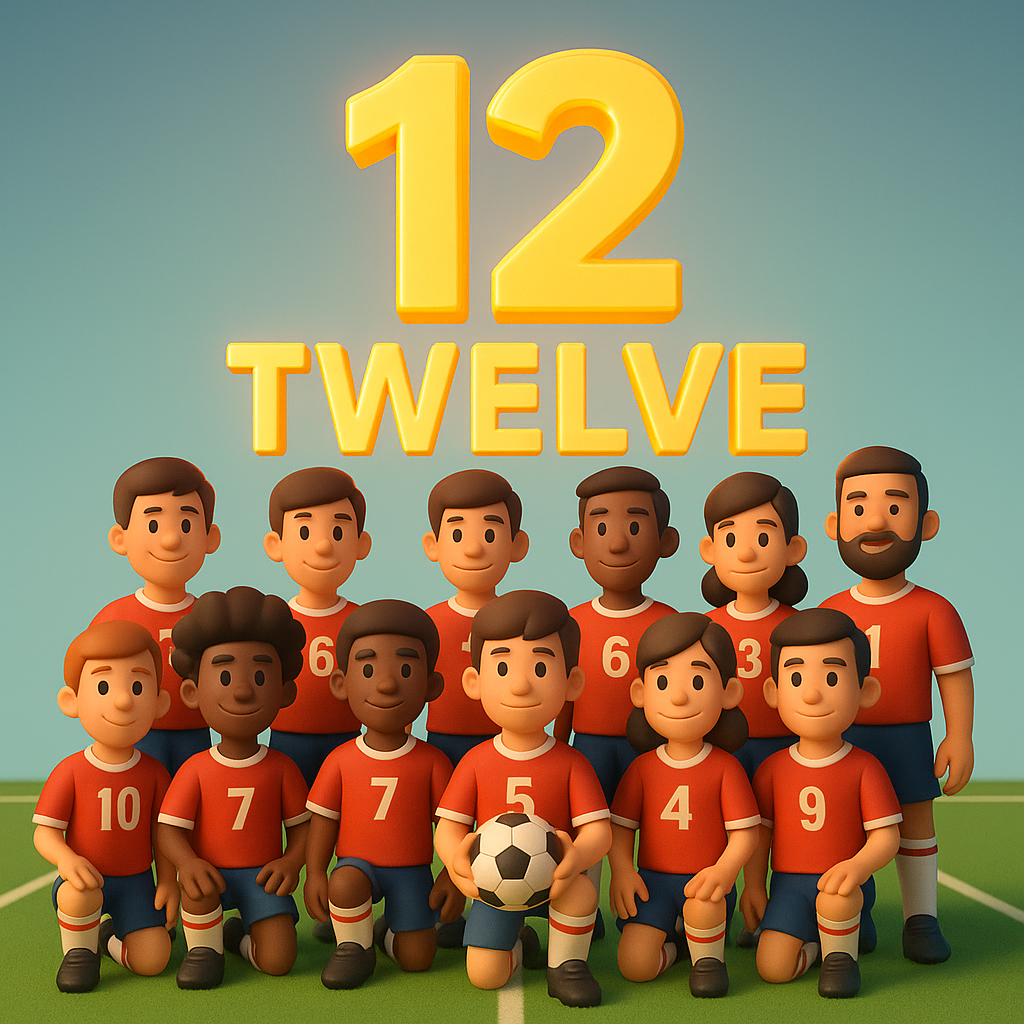
There are twelve players on the team.
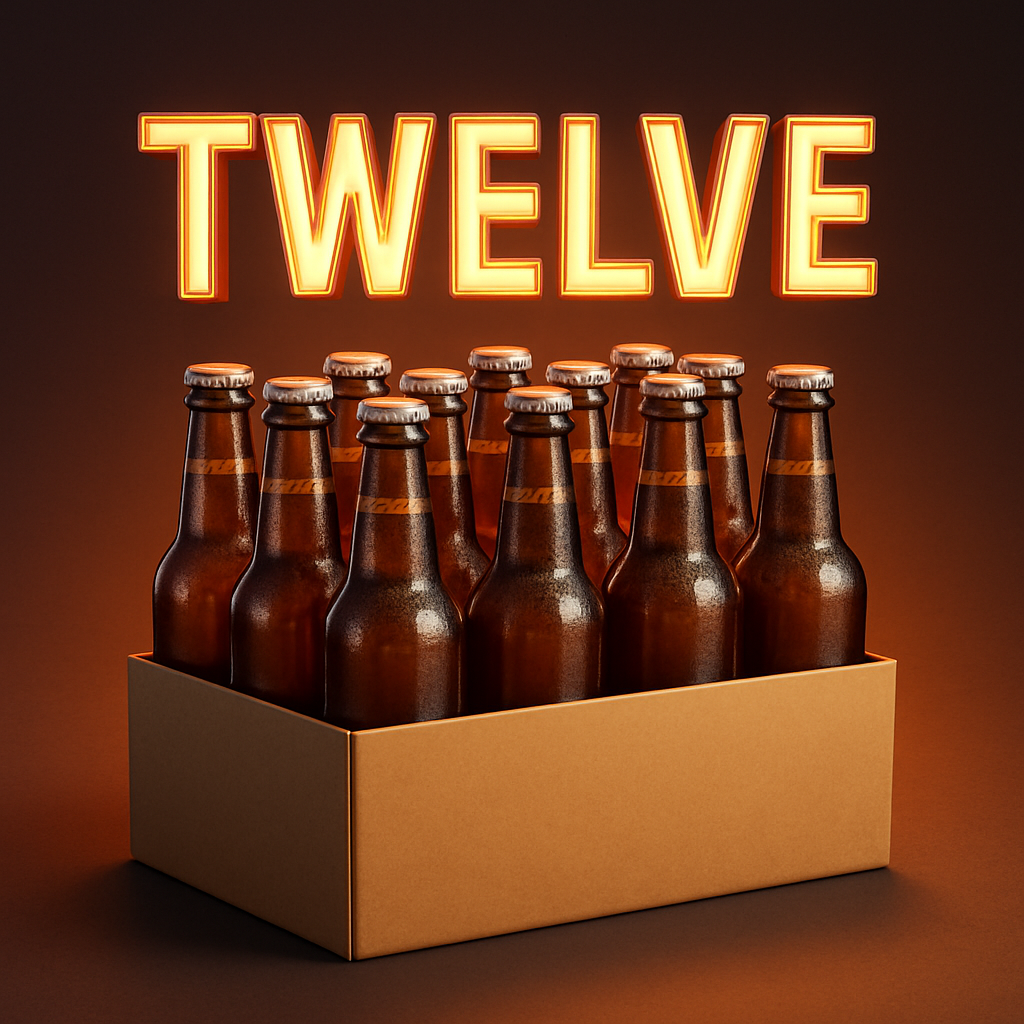
He bought a twelve of beer.

She has twelve books on her shelf.
🇨🇳 Mandarin (Simplified Chinese)
- 十二
- IPA: /ʂɹ̩˥˩ ɚ˨˩˦/
- English Respell: shí'èr
🇮🇳 Hindi
- बारह
- IPA: /baːɾəh/
- English Respell: bārah
🇪🇸 Spanish
- Doce
- IPA: /ˈdoθe/
- English Respell: doce
🇫🇷 French
- Douze
- IPA: /duz/
- English Respell: douze
🇸🇦 Modern Standard Arabic
- اثنا عشر
- IPA: /ˈiθna ˈʕaʃr/
- English Respell: ithnā 'ashr
🇧🇩 Bengali
- বারো
- IPA: /baro/
- English Respell: baro
🇷🇺 Russian
- Двенадцать
- IPA: /ˈdvenədtsatʲ/
- English Respell: dvenadtsat'
🇵🇹 Portuguese
- Doze
- IPA: /ˈdɔ.zɨ/
- English Respell: doze
🇮🇩 Indonesian
- Dua belas
- IPA: /dua 'belas/
- English Respell: dua belas
🇩🇪 German
- Zwölf
- IPA: /tsvœlf/
- English Respell: zwölf
🇯🇵 Japanese
- 十二 (じゅうに)
- IPA: /dʑɯːɲi/
- English Respell: jūni
🇻🇳 Vietnamese
- Mười hai
- IPA: /mʷəːj˧ haːj˨˩/
- English Respell: mười hai
🇰🇷 Korean
- 열두 (Yeoldu)
- IPA: /jʌl.du/
- English Respell: yeoldu
🇹🇷 Turkish
- On iki
- IPA: /on iki/
- English Respell: on iki
🇵🇰 Urdu
- بارہ
- IPA: /baːɾəh/
- English Respell: bārah